
Eat Well, Live Well: Your Complete Blood Sugar–Friendly Food Guide
Navigating the grocery aisle with blood sugar in mind can feel overwhelming — but it doesn't have to be. Our editorial team has compiled this comprehensive guide to help you understand which foods support stable energy levels, how to read labels with confidence, and how to build satisfying, nourishing meals every day. Explore our food categories, practical tips, and expert-backed insights curated especially for readers in France and beyond.
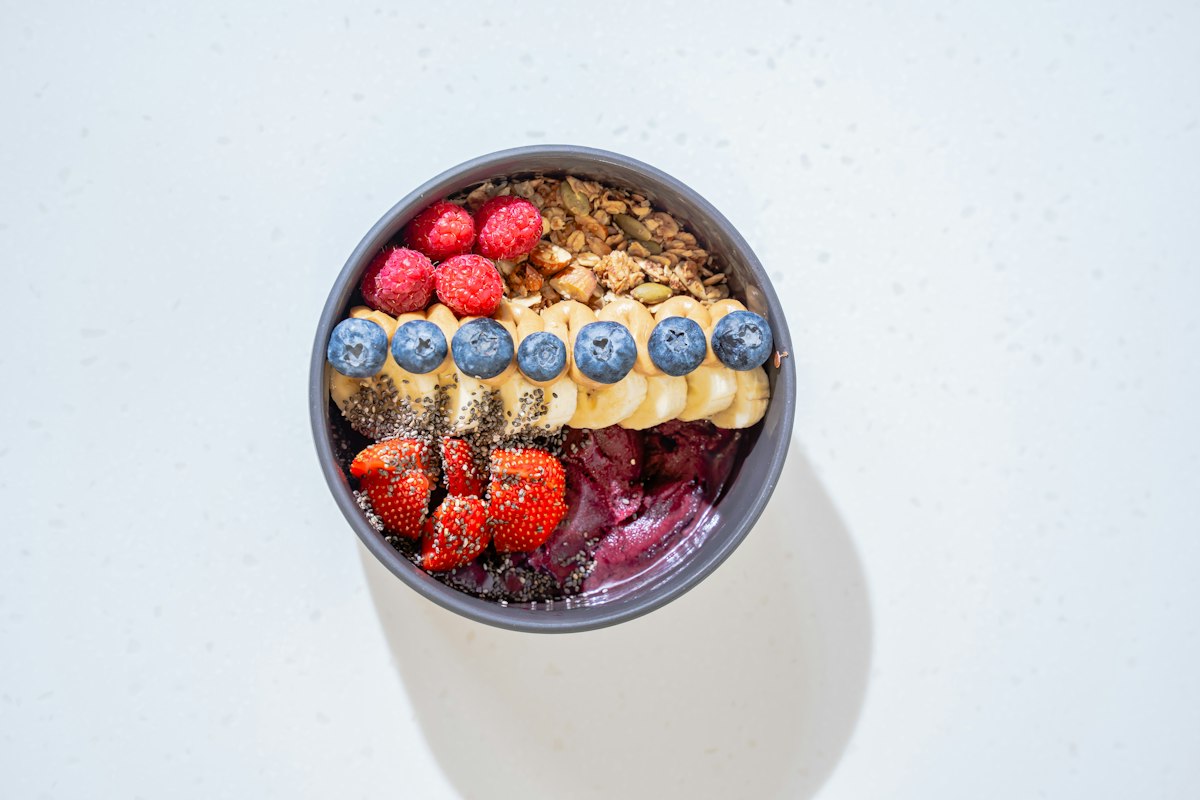
Key Nutrition Principles Every Reader Should Know
Understanding how food interacts with your body's energy systems is the first step toward making smarter daily choices.
Consistent Carbohydrate Awareness
Not all carbohydrates are equal. Foods with a low glycemic index release sugar gradually into the bloodstream, helping you maintain steady energy throughout the day without sharp spikes or crashes.
Fiber as Your Daily Ally
Dietary fiber, found abundantly in vegetables, legumes, and whole grains, slows the absorption of sugars and keeps you fuller for longer — making it one of the most valuable nutrients to prioritize at every meal.
Hydration and Portion Awareness
Proper hydration supports every metabolic process. Combined with mindful portion sizing, staying well-hydrated helps your body process nutrients more efficiently and supports overall well-being throughout the day.

Understanding the Glycemic Index and How Food Affects Your Energy
The glycemic index (GI) is a ranking system that measures how quickly carbohydrate-containing foods raise the level of sugar in your blood compared to pure glucose. Foods with a high GI are digested rapidly and cause a fast, steep rise in blood sugar, while low-GI foods are broken down more slowly, producing a gradual, manageable rise. For people who monitor their blood sugar, understanding the GI of everyday foods is a practical tool for making better dietary decisions.
It is equally important to understand glycemic load (GL), which takes into account both the GI of a food and the portion size consumed. A food can have a moderate-to-high GI but a low glycemic load if it is eaten in small quantities — this is the case with watermelon, for example. Our editorial team always recommends looking at the full nutritional picture rather than a single number.
Preparation method also matters significantly. Cooking pasta al dente, eating fruit whole rather than juiced, and choosing steel-cut oats over instant varieties are all simple changes that lower the glycemic impact of a meal. This guide explores these nuances in depth throughout our food category articles.
Read the Full GI GuideTop Safe Food Categories for Blood Sugar Balance
Each category below is covered in depth across our editorial food guides. Click any category to learn more about the best choices, preparation tips, and serving ideas.
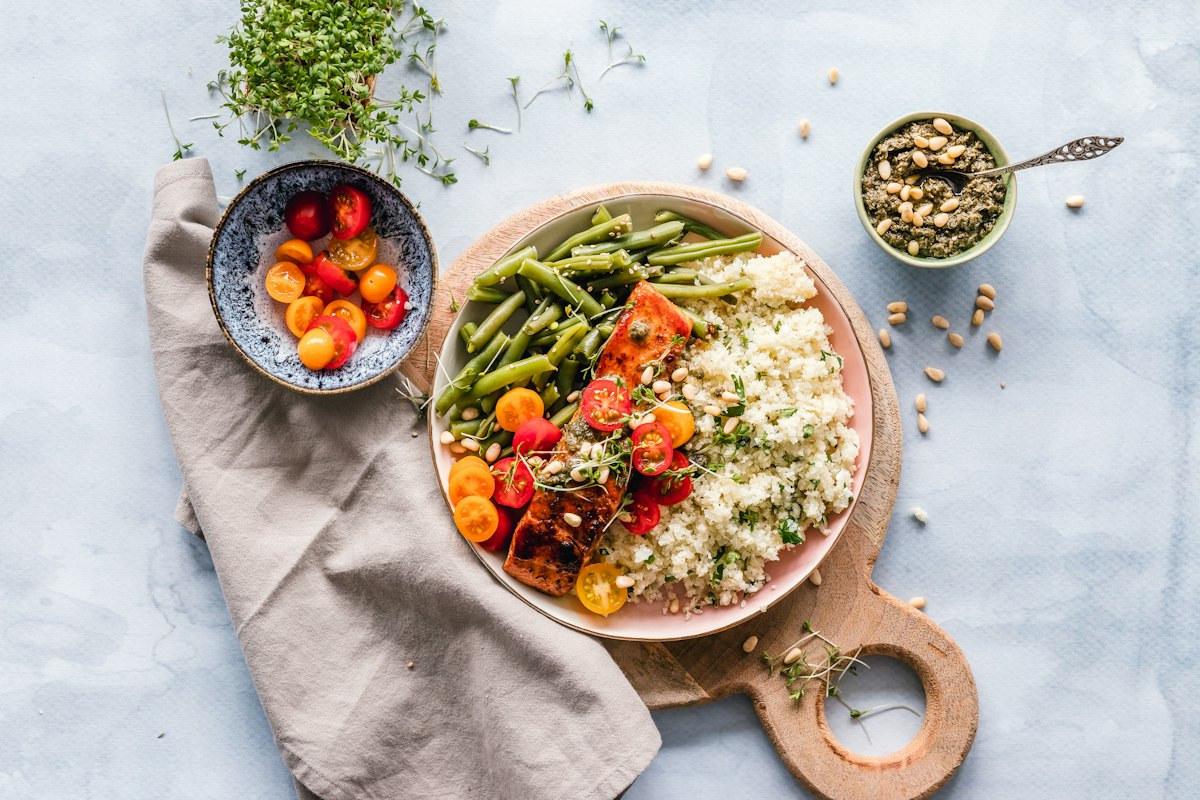 Vegetables
Non-Starchy Vegetables
Broccoli, spinach, zucchini, green beans, and bell peppers are among the best food choices for blood sugar balance. They are rich in fiber, vitamins, and minerals while containing minimal carbohydrates — meaning they have virtually no impact on blood sugar levels. Our guide covers the best ways to prepare them while preserving their nutrients.
Read the vegetable guide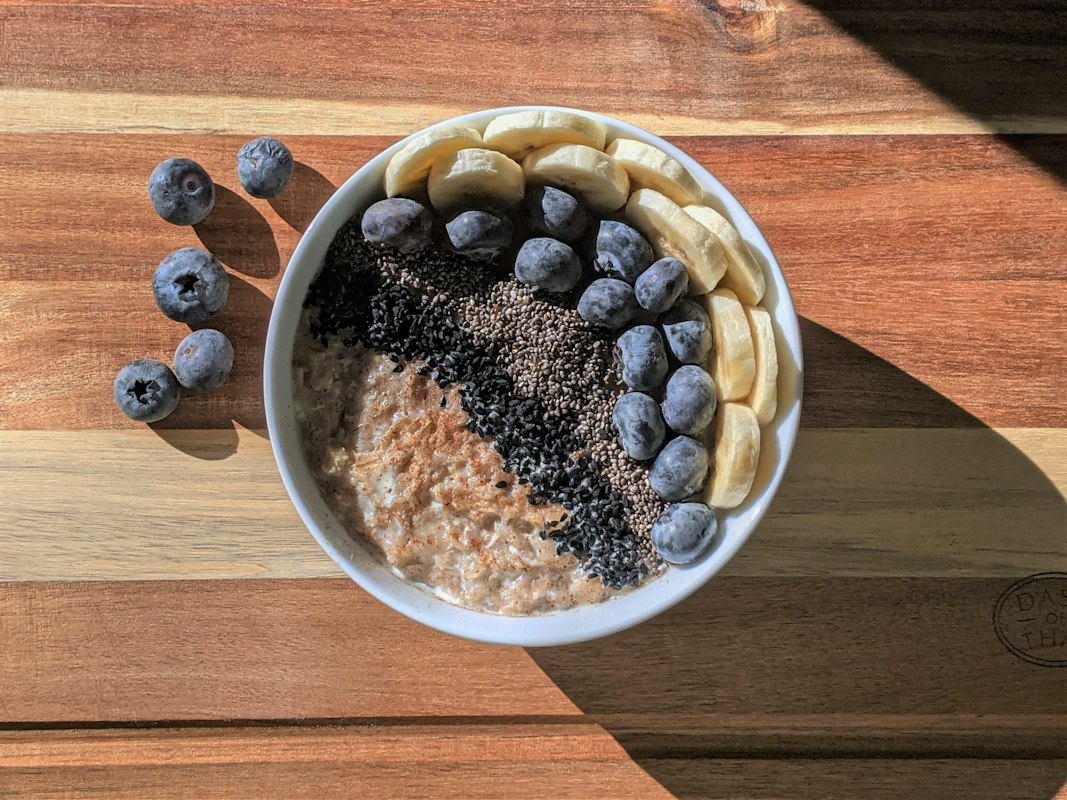 Proteins
Lean Proteins & Legumes
Protein-rich foods such as eggs, skinless poultry, oily fish like salmon, and plant proteins such as lentils and chickpeas are cornerstone foods for blood sugar stability. They slow digestion, increase satiety, and have little direct impact on blood sugar. Legumes additionally provide a valuable dose of fiber and complex carbohydrates with a naturally low glycemic index.
Explore protein choices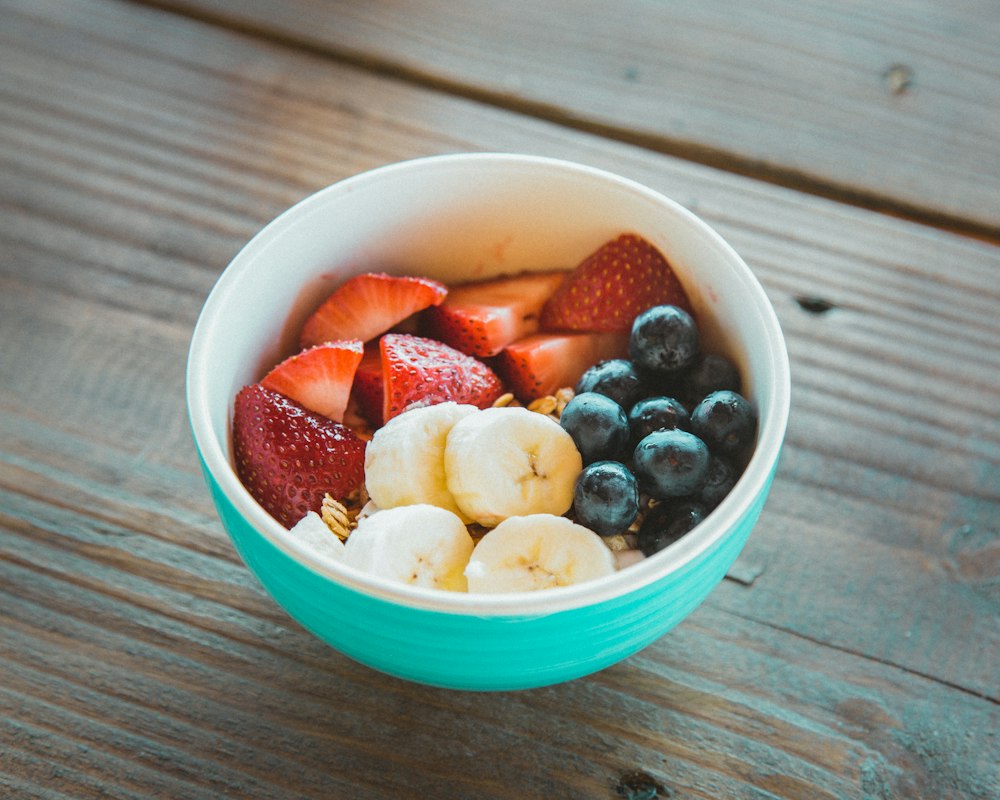 Grains
Whole Grains & Ancient Cereals
Oats, quinoa, barley, and whole rye bread are far preferable to refined white bread and pasta. These whole-grain options retain their bran and germ layers, which slow the digestion of starch and moderate blood sugar response. Barley in particular contains beta-glucan, a soluble fiber that research consistently links to improved post-meal blood sugar readings.
Read the grains guide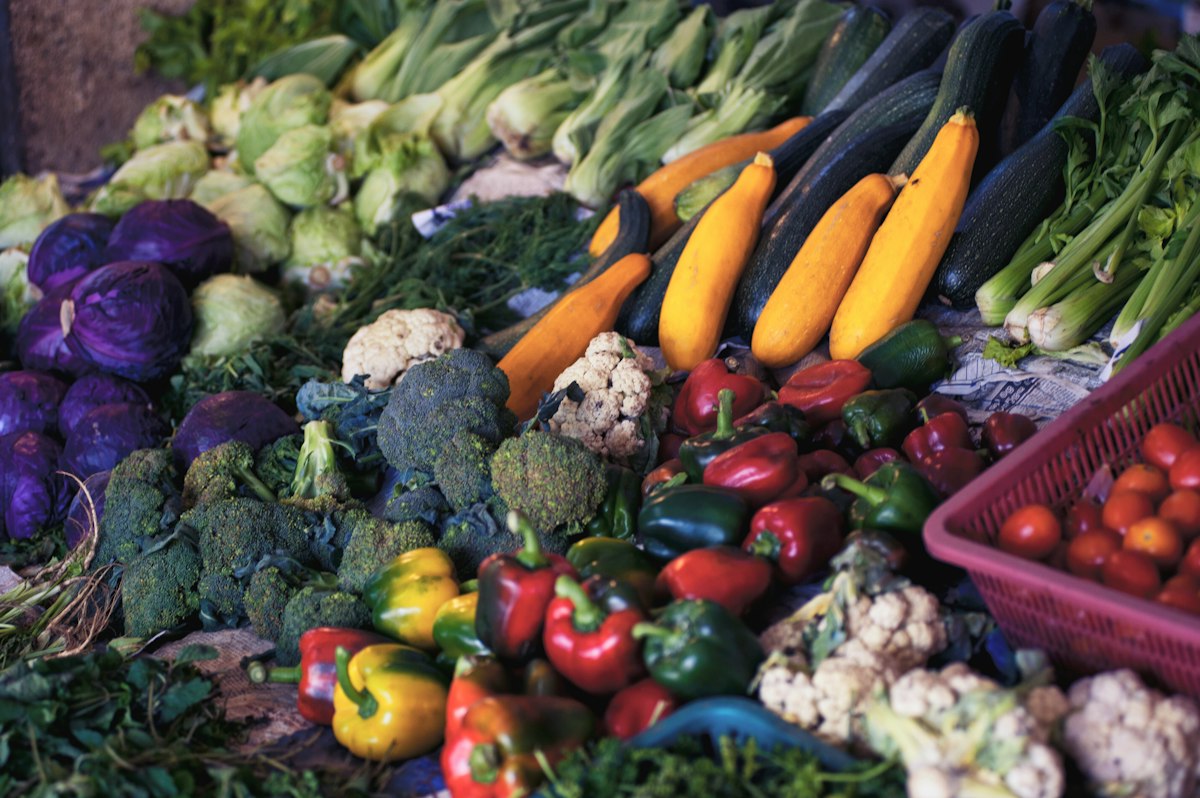 Fruits
Low-Sugar Fruits & Berries
Not all fruits are created equal when it comes to sugar content. Berries — blueberries, strawberries, raspberries, and blackberries — are among the finest choices, delivering antioxidants and fiber with a modest sugar load. Green apples, pears, and citrus fruits are also excellent choices. Our editorial guide breaks down serving sizes and pairing strategies to enjoy fruit wisely.
Discover safe fruit choices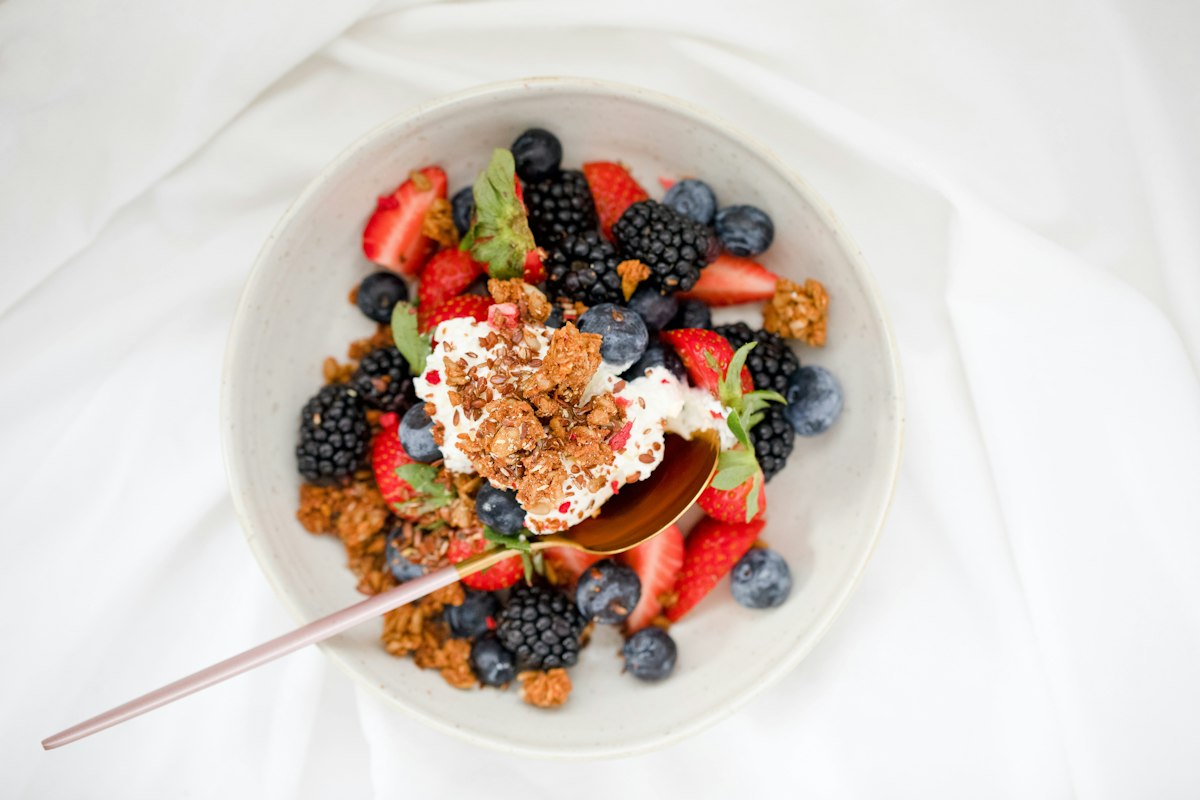 Fats & Oils
Healthy Fats, Nuts & Avocado
Unsaturated fats found in extra-virgin olive oil, avocado, and raw nuts do not raise blood sugar levels and actively support cardiovascular well-being. Including a small portion of healthy fat in a meal also slows the overall digestion of carbohydrates, contributing to a more moderate blood sugar response. Walnuts and almonds are particularly featured in our snacking guide.
Learn about healthy fats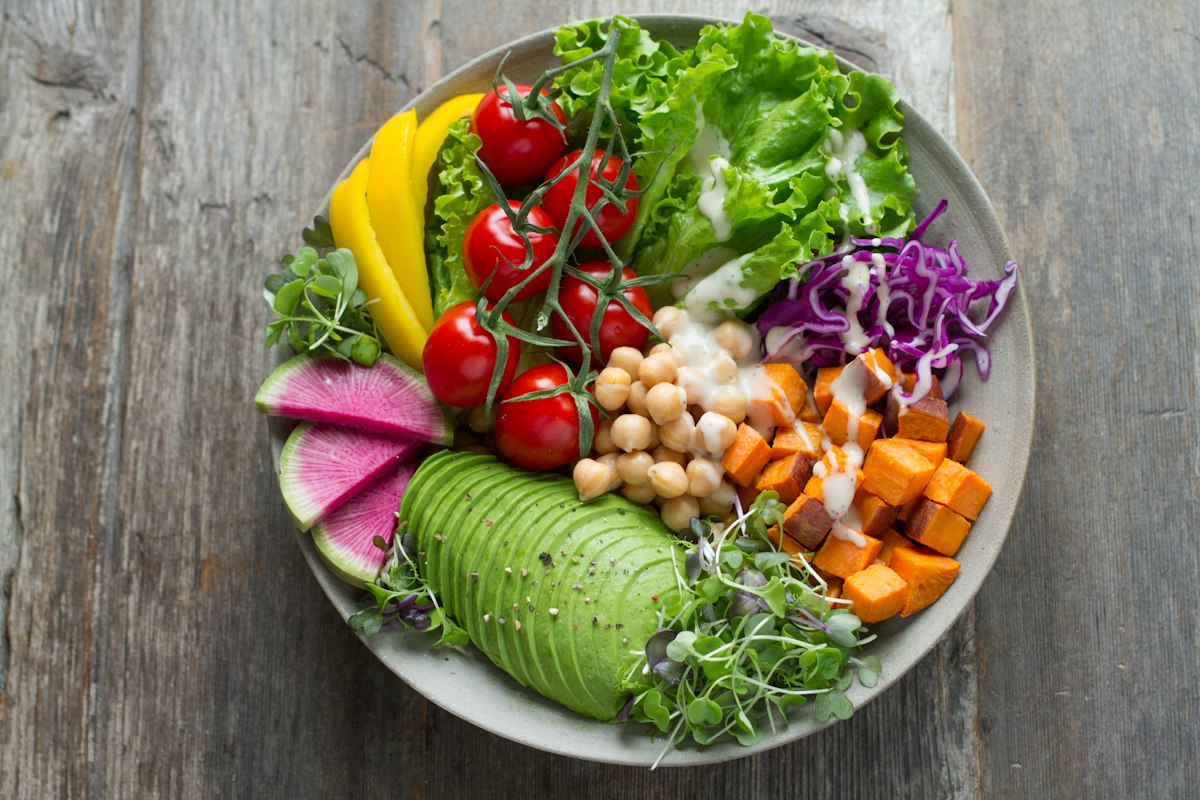 Dairy
Fermented Dairy & Probiotics
Plain, unsweetened yogurt and kefir are outstanding choices for people managing their blood sugar. They provide protein, calcium, and beneficial bacteria that support gut health — which emerging nutritional research links to improved blood sugar regulation. Always opt for versions without added flavors or sweeteners, and consider pairing them with berries for a satisfying, nutrient-dense breakfast or snack.
Read the dairy guideBuilding a Blood Sugar–Friendly Plate
Follow these four practical steps at every meal to build a balanced, satisfying plate that supports steady energy and nutritional well-being throughout the day.
Fill Half Your Plate with Non-Starchy Vegetables
Start by dedicating the largest portion of your plate — at least half — to non-starchy vegetables such as leafy greens, broccoli, cauliflower, cucumber, tomatoes, or asparagus. These foods are extraordinarily rich in fiber, water, and micronutrients while contributing almost no carbohydrate load. This foundation ensures your meal is nutrient-dense and supports a moderate blood sugar response before you even add any other components.
Add a Quality Protein Source (Palm-Sized Portion)
A portion of lean protein approximately the size of your palm — whether grilled fish, baked chicken breast, tofu, tempeh, or eggs — provides essential amino acids and helps slow the digestion of any carbohydrates in the same meal. Including protein at every meal is one of the simplest yet most effective strategies for preventing sharp post-meal blood sugar fluctuations, and it also contributes significantly to sustained satiety and reduced snacking between meals.
Choose a Small Serving of Low-GI Carbohydrates
Reserve approximately one quarter of your plate for a smart carbohydrate choice — cooked quinoa, brown rice, wholegrain bread, sweet potato, or lentils all work well. Keep the portion modest (roughly a fist-sized amount) and always opt for the least processed version available. Avoid white rice, white pasta, and refined bread as primary carbohydrate sources, as these produce a faster and higher spike in blood sugar relative to their more fibrous alternatives.
Finish with a Drizzle of Healthy Fat and Drink Water
A drizzle of extra-virgin olive oil over your vegetables, a few slices of avocado, or a small handful of raw nuts alongside your meal adds flavor while further moderating the blood sugar impact of the entire plate. Finally, choose still water, sparkling water, unsweetened herbal tea, or black coffee as your beverage — sweetened drinks, even "natural" fruit juices, can undo all the careful work you have done in constructing the rest of your meal.
Deeper Reads from Our Editorial Team
Go beyond the basics with these in-depth articles covering meal timing, reading food labels, smart snacking, and more.
How to Read Nutrition Labels for Blood Sugar Management
Learn exactly what to look for on packaged food labels — from hidden sugars to misleading serving sizes — so you can make smarter choices every time you shop.
Read Article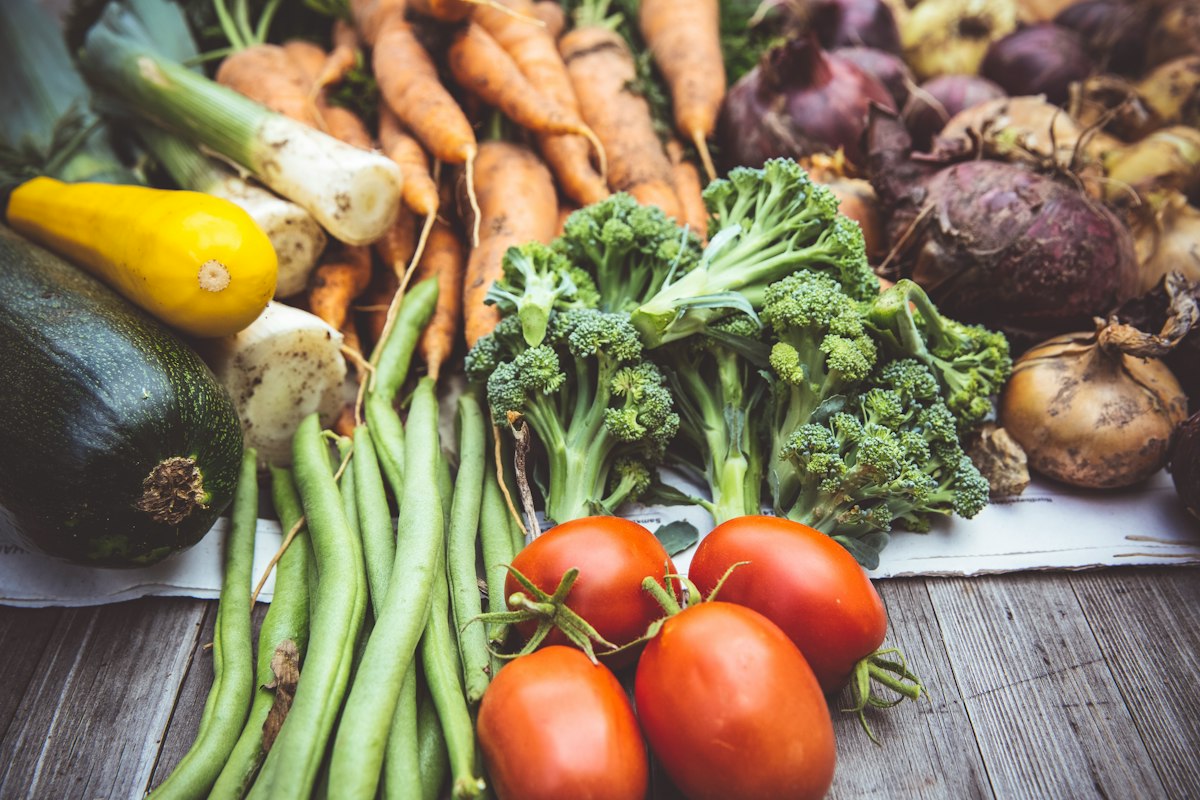
Meal Timing Strategies for Stable Blood Sugar
Discover how the timing of your meals can be just as important as what you eat. We break down intermittent fasting, eating windows, and post-meal glucose spikes.
Read Article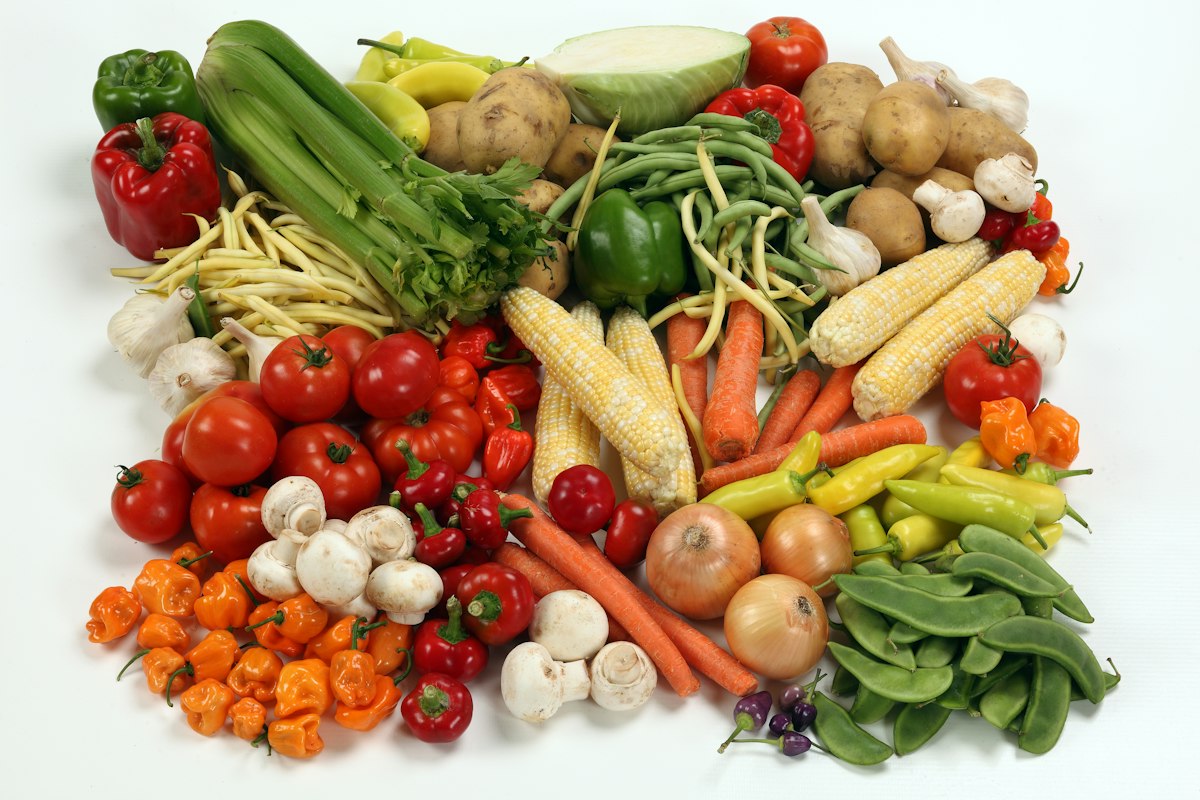
Smart Snacking: How to Avoid Energy Crashes Between Meals
Not all snacks are created equal. Explore our expert-backed guide to choosing snacks that satisfy hunger, curb cravings, and keep your blood sugar steady all day.
Read Article
The Low Glycemic Index Diet: A Beginner's Complete Guide
Understanding the glycemic index can transform how you approach food. This beginner-friendly guide explains GI scores, GL values, and how to build a low-GI plate.
Read Article
Why Fiber Is Your Best Friend for Blood Sugar Balance
Dietary fiber slows sugar absorption, feeds beneficial gut bacteria, and helps you feel full longer. Learn which fiber-rich foods to prioritize and how much you really need daily.
Read Article
The Surprising Link Between Hydration and Blood Sugar Levels
Dehydration can cause temporary blood sugar spikes that mimic prediabetes. Find out how much water you should drink, and which beverages to avoid to stay metabolically healthy.
Read Article