
Eat Smart When Managing Blood Sugar — Your Complete Safe Food Guide
Navigating what to eat when you need to keep your blood sugar stable can feel overwhelming. Our editorial team at Dietproductselectinfo has compiled an evidence-based guide to help you understand which foods support balanced glucose levels, which to enjoy freely, and which to approach with caution. Make every meal a confident choice.
Why Food Choices Matter for Blood Sugar Balance
Understanding the nutritional landscape is the first step toward making genuinely informed decisions about your plate every single day.
Broad Food Knowledge
The variety of foods that can support stable blood sugar is far wider than most people realize. Legumes, leafy greens, whole grains, healthy fats, and lean proteins all play an important role in a balanced, satisfying daily diet.
Glycemic Index Awareness
Not all carbohydrates behave the same way in the body. Understanding a food's glycemic index — how quickly it raises blood sugar — enables smarter swaps and helps you build meals that release energy slowly and steadily throughout the day.
Practical Meal Planning
A well-structured approach to meal planning removes daily guesswork, reduces stress around eating, and helps ensure you get a diverse range of nutrients. Our guides break down practical strategies that fit real schedules and real budgets.
How Food Directly Affects Your Blood Sugar Levels
Every time you eat, your digestive system breaks food down into glucose, which enters your bloodstream and signals your body to manage energy. The speed and magnitude of this blood sugar rise depends heavily on what you ate — specifically, the type of carbohydrates, the amount of dietary fiber, and the presence of protein and fat in the meal. Foods that are high in simple sugars or refined starch cause rapid spikes, while fiber-rich, whole foods produce a much gentler, more manageable rise.
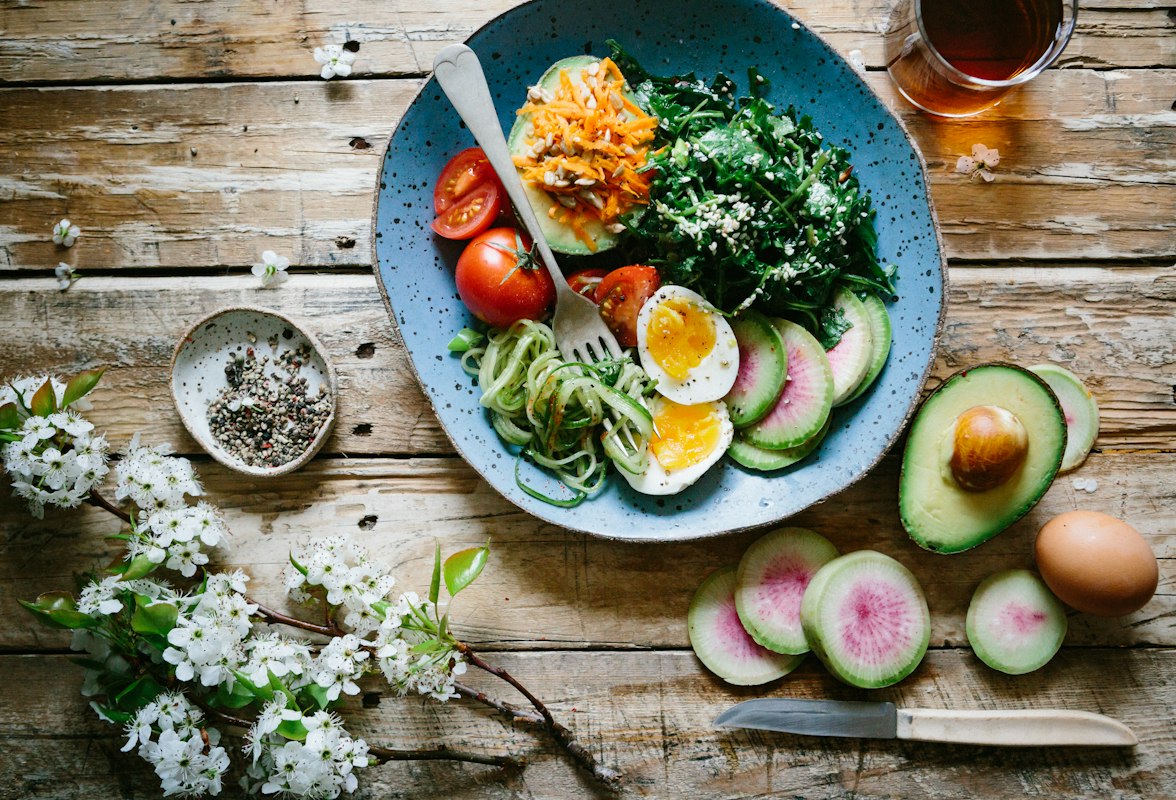
Dietary fiber plays a particularly important role. Soluble fiber — found in oats, lentils, beans, and many fruits — forms a gel-like substance in the digestive tract that slows the absorption of glucose. This mechanism is one of the key reasons a high-fiber diet is consistently associated with better blood sugar management. Pairing carbohydrates with protein and healthy fats further dampens the glycemic response, making combinations like whole grain bread with avocado and eggs a wiser choice than white toast with jam.
Understanding these principles empowers you to build meals that work with your body's natural processes rather than against them. It's not about strict restriction — it's about proportion, variety, and informed selection from the enormous range of delicious foods available to you.
Explore Food GuidesTop Safe Food Categories for Balanced Blood Sugar
These food groups are widely recognized by nutrition experts as supportive of steady glucose levels and overall metabolic well-being. Learn which ones to prioritize on your plate.
Non-Starchy Vegetables
Broccoli, spinach, kale, zucchini, bell peppers, cauliflower, and cucumbers are all low in carbohydrates and high in fiber, vitamins, and minerals. They provide enormous nutritional value while having minimal impact on blood glucose, making them the foundation of every well-designed blood-sugar-friendly meal plan.
Lean & Fatty Proteins
Chicken, turkey, eggs, tofu, and fatty fish like salmon or mackerel provide high-quality protein without raising blood sugar. Omega-3-rich fish additionally supports cardiovascular health. Including a quality protein source at each meal helps slow carbohydrate absorption and promotes a lasting sense of fullness between meals.
Whole Grains
Oats, quinoa, barley, buckwheat, and brown rice have a much lower glycemic index than their refined counterparts. They are rich in fiber, B-vitamins, and minerals. Consuming whole grains in appropriate portions ensures you benefit from sustained energy and improved satiety without triggering dramatic blood sugar fluctuations after meals.
Legumes & Pulses
Lentils, chickpeas, black beans, kidney beans, and edamame are nutritional powerhouses. They combine protein, complex carbohydrates, and soluble fiber in a way that makes them exceptionally blood-sugar-friendly. Their slow digestion rate means glucose enters the bloodstream gradually, making them one of the most recommended food groups in nutrition guides worldwide.
Healthy Fats
Avocado, extra-virgin olive oil, nuts, seeds, and nut butters provide monounsaturated and polyunsaturated fats that do not raise blood sugar on their own. These fats also slow gastric emptying, helping moderate post-meal glucose rises. A handful of almonds or walnuts makes an excellent snack choice that keeps energy stable between main meals.
Low-Glycemic Fruits
Berries (blueberries, strawberries, raspberries), cherries, apples, pears, and citrus fruits are lower in sugar and higher in fiber compared to tropical fruits. They deliver valuable antioxidants, vitamin C, and phytonutrients. Enjoying them in moderate portions, ideally as part of a balanced meal, allows you to benefit from their nutrients without excessive glucose impact.
Common Questions About Eating for Blood Sugar Balance
Our editorial team answers the most frequently asked questions from readers about managing nutrition to support healthy glucose levels.
Foods to Embrace — and Foods to Approach With Caution
A practical, no-nonsense breakdown of what belongs on your plate and what is best kept occasional or avoided entirely when managing blood sugar.
Foods to Embrace
-
Leafy Greens & Cruciferous Vegetables
Spinach, kale, Swiss chard, broccoli, and Brussels sprouts are rich in magnesium and fiber, and have an almost negligible impact on blood glucose. Make these the largest portion on your plate at every meal.
-
Fatty Fish (2–3 servings per week)
Salmon, sardines, mackerel, and herring provide omega-3 fatty acids and high-quality protein, neither of which raises blood sugar. They are among the most nutrient-dense foods available and support heart and metabolic health.
-
Eggs
Eggs are a versatile, affordable protein source that has no direct impact on blood sugar. They provide satiety and essential nutrients including choline, vitamin D, and B vitamins — making them an ideal breakfast or snack choice.
-
Nuts and Seeds
Almonds, walnuts, flaxseeds, chia seeds, and pumpkin seeds are rich in healthy fats, fiber, and protein. They are one of the most effective snack options for maintaining stable blood sugar between meals while supporting overall cardiovascular health.
-
Plain Yogurt & Fermented Foods
Unsweetened Greek yogurt, kefir, and naturally fermented vegetables like sauerkraut support gut health and provide protein with a modest glycemic impact. Choose plain, unsweetened varieties and avoid flavored products with added sugars.
Foods to Approach With Caution
-
Sugary Beverages
Sodas, sweetened fruit juices, sports drinks, and flavored coffees deliver large amounts of rapidly absorbed sugar with no fiber to slow their absorption. They are among the most impactful dietary contributors to blood sugar spikes and are best replaced with water, herbal teas, or sparkling water with lemon.
-
Refined White Flour Products
White bread, white pasta, standard pastries, crackers, and most commercial cereals are processed to remove the fiber-rich bran and germ, leaving behind starch that digests rapidly and causes sharp blood sugar elevations. Choosing wholegrain alternatives makes a substantial difference to post-meal glucose levels.
-
Ultra-Processed Snack Foods
Packaged chips, cookies, candy bars, and commercially produced cakes are typically high in refined sugars, trans fats, and sodium while being very low in actual nutritional value. Their combination of fast carbohydrates and unhealthy fats makes them particularly challenging for blood sugar management.
-
High-Sugar Condiments & Sauces
Ketchup, sweet chili sauce, teriyaki glaze, and many commercial salad dressings contain surprising amounts of added sugar. These hidden sugars accumulate quickly across a day. Read nutrition labels carefully and opt for olive oil, vinegar, mustard, fresh herbs, and spices as flavor enhancers instead.
-
Sweetened Breakfast Products
Flavored instant oatmeal, granola with added honey, sweetened cereals, and commercial breakfast bars often start the day with a significant sugar load. Starting your morning with whole oats, eggs, or plain yogurt instead sets a far better metabolic tone for the rest of the day.
A Day of Blood-Sugar-Friendly Eating
From morning to evening, here is what a well-balanced, glucose-friendly day of eating might look like in practice — satisfying, varied, and rich in nutrients.
Balanced Breakfast
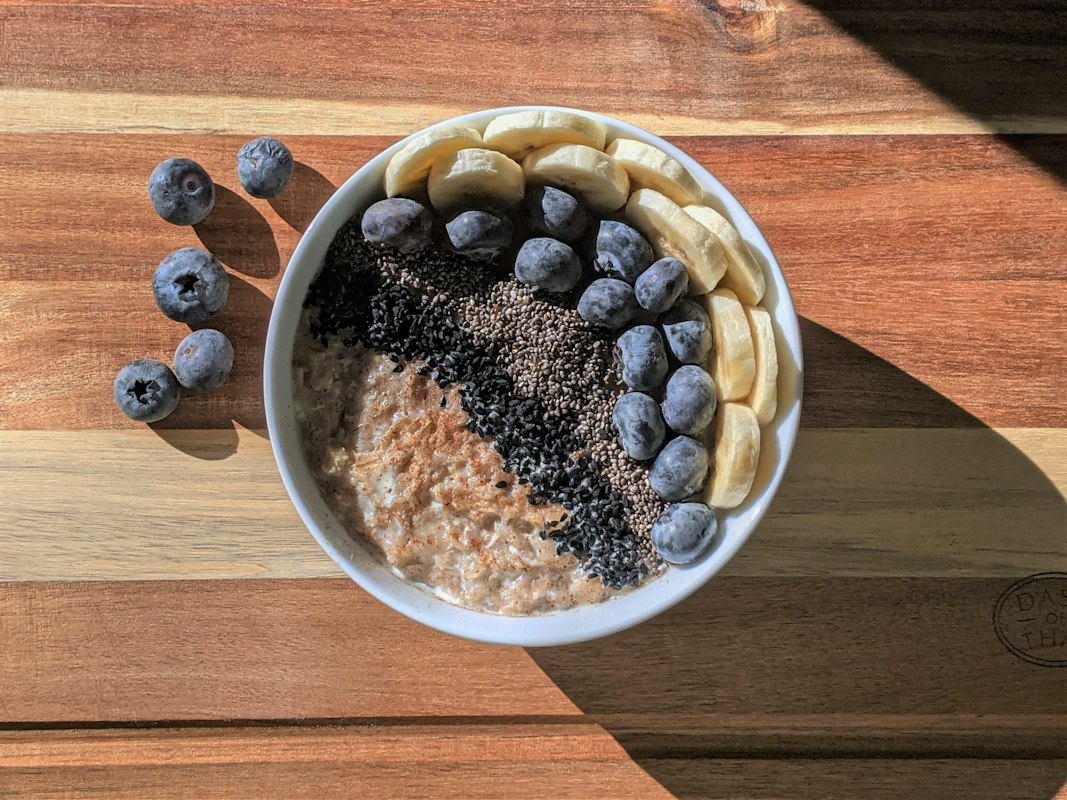
Start your day with steel-cut oats topped with fresh blueberries and a tablespoon of ground flaxseed, alongside two soft-boiled eggs. This combination of complex carbs, fiber, protein, and healthy fat sets a stable energy foundation and prevents mid-morning energy slumps.
Nourishing Lunch
A large salad base of mixed greens, cucumber, cherry tomatoes, and roasted red pepper with half a cup of chickpeas, a palm-sized portion of grilled salmon, and a drizzle of extra-virgin olive oil and lemon juice. Whole grain crackers or a small portion of quinoa can be added for extra energy.
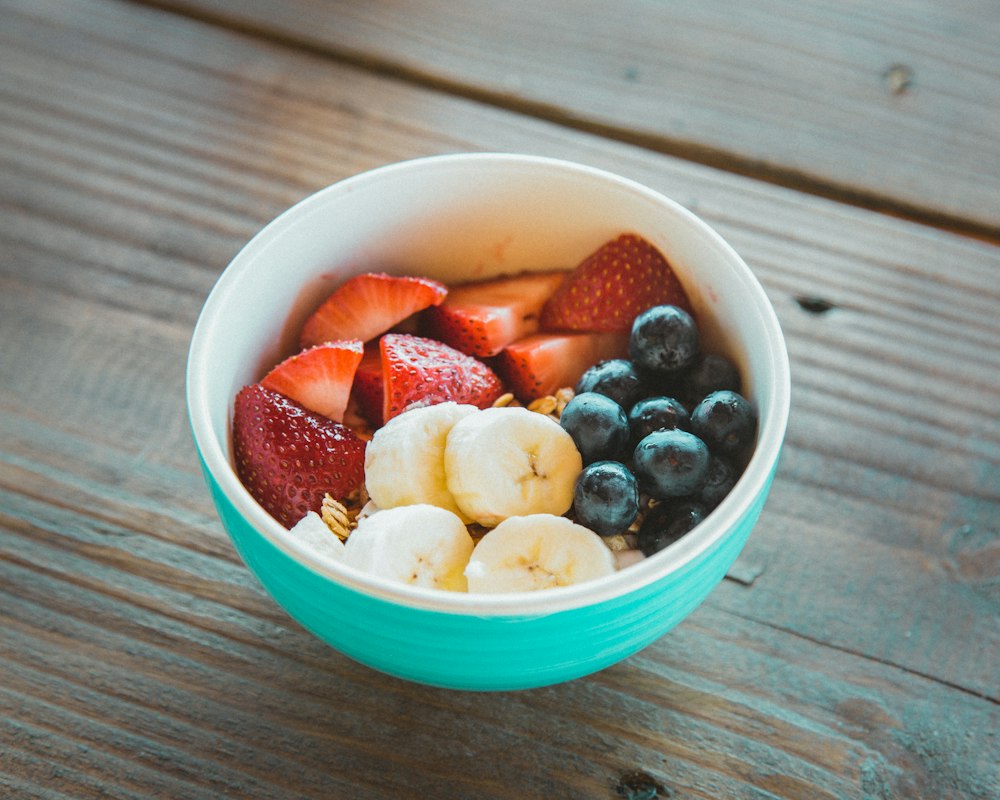
Light Balanced Dinner
Baked chicken breast or tofu with a generous portion of roasted broccoli and courgette, alongside a modest serving of brown rice or lentils. Seasoning with garlic, turmeric, and fresh herbs adds flavor and anti-inflammatory plant compounds without introducing sugar or excess sodium.
What Our Readers Say
Real stories from people who have used our food guides to make more informed, confident nutritional choices every day.
The food guide on Dietproductselectinfo completely changed how I approach my grocery shopping. I always knew I needed to eat better, but I had no idea which specific foods were making my energy levels so unpredictable after meals. The glycemic index explanations were so clear and practical — I immediately understood why swapping my morning cereal for steel-cut oats with nuts made such a difference. I feel much more in control of what I put on my plate now, and my afternoon energy crashes have become much less frequent since following the advice in the articles here.
Marie-Claire Fontaine
Lyon, France
I came across this site while looking for practical guidance on what to cook for my father after his health check prompted some dietary changes. The articles here are written in a way that actually makes sense to a non-expert — no confusing jargon, just straightforward explanations of which foods help and why. I particularly appreciated the section on legumes and the sample meal ideas, which gave me a real starting point. My father now genuinely enjoys his meals and doesn't feel like he's being punished with boring food. This resource has been invaluable to our whole family.
Bertrand Marceau
Bordeaux, France
Foods That Fight Inflammation
A visual guide to the most powerful anti-inflammatory ingredients
Dark Leafy Greens
Spinach, kale, chard
Turmeric
Active curcumin compound
Blueberries
Rich in anthocyanins
Fatty Fish
Salmon, mackerel, sardines
Walnuts & Seeds
Omega-3 powerhouses
Olive Oil
Extra virgin, cold-pressed
Eat More Of
- Colorful vegetables and fruits
- Whole grains like oats and quinoa
- Legumes — beans, lentils, chickpeas
- Herbs like ginger, garlic, rosemary
- Green tea and herbal infusions
- Dark chocolate (70%+ cacao)
Limit or Avoid
- Refined sugars and sweetened drinks
- Processed and packaged snack foods
- Trans fats and hydrogenated oils
- Excess red and processed meats
- White bread, pasta, and pastries
- Alcohol in excess quantities
Smart Swaps
- White rice → brown rice or quinoa
- Butter → extra virgin olive oil
- Soda → sparkling water with lemon
- Chips → handful of walnuts
- Milk chocolate → dark chocolate
- Table salt → herbs and spices